






Your daily AI news source
Your daily AI news source
OpenAI Previews GPT-5.6 While Anthropic Restores Fable Five and Rolls Out Claude Sonnet 5; Meta Debuts Brain-to-Qwerty v2 as Etched Ships Custom Inference Racks
Share your love
AI Tech News Today — Quick Roundup
Date: 2026-07-03T11:30:53.000Z
Hosts: Aurora and Isabelle
Runtime: About 2–3 minutes
-
Claude Fable Five — access restored
- Anthropic says it has restored access to Fable Five after conversations with the U.S. government and additional cybersecurity hardening.
- Paid plans receive included usage through July 7 at up to 50% of weekly allotment; after that, Fable Five will be available only via credits.
- Takeaway: a cautious reopening and a reminder that national security talks are shaping which models people can use and how.
-
OpenAI previews GPT‑5.6
- Next‑gen models previewed, led by a powerful Sol variant built for agent‑style tasks in coding, biology, and cybersecurity.
- New features:
- Max reasoning effort setting
- Ultra mode that spins up subagents for complex workflows
- Tiered lineup: Sol, Terra, and Luna at different price points
- Preview limited to trusted partners for now; wider rollout expected soon.
-
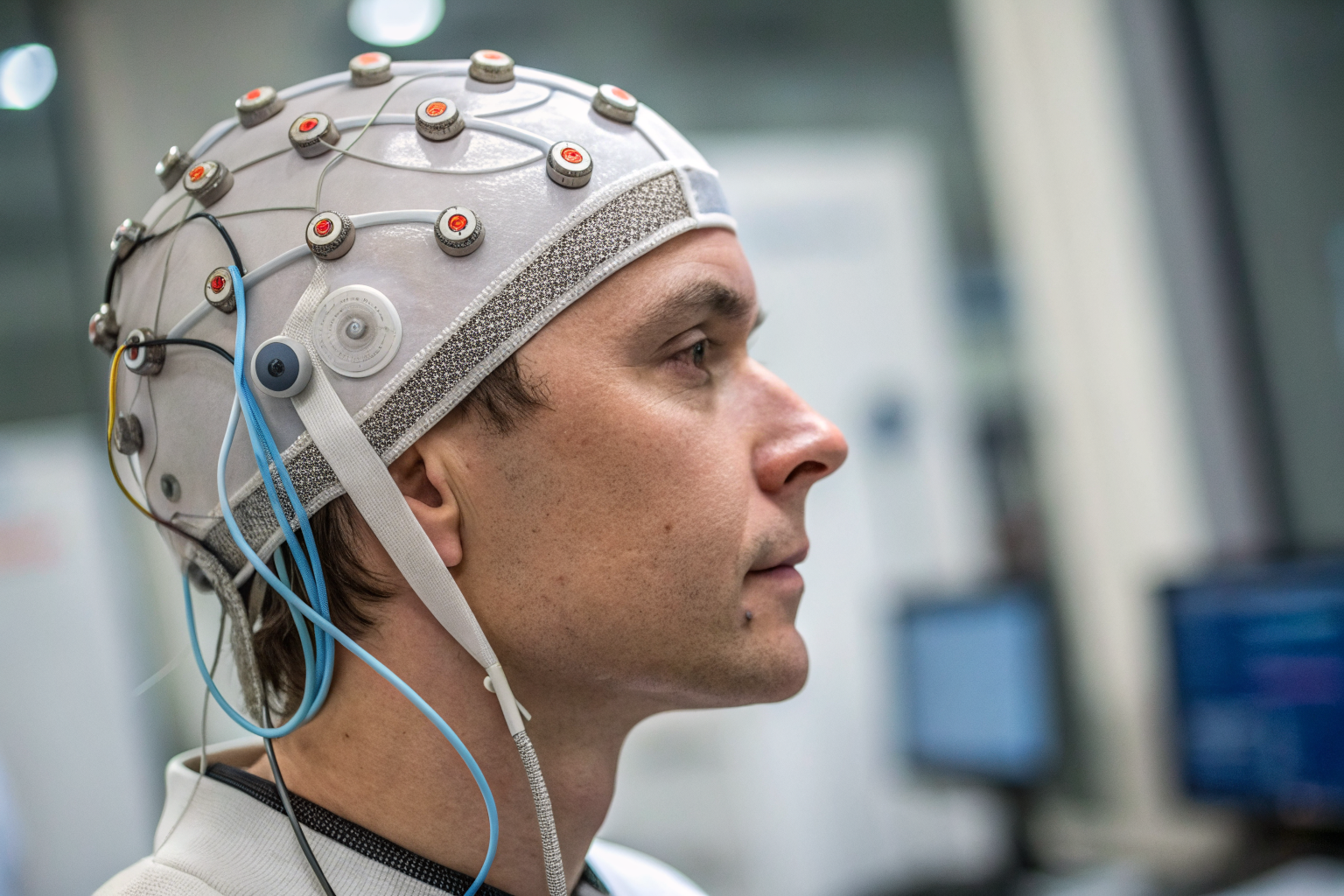
Meta advances brain‑to‑text
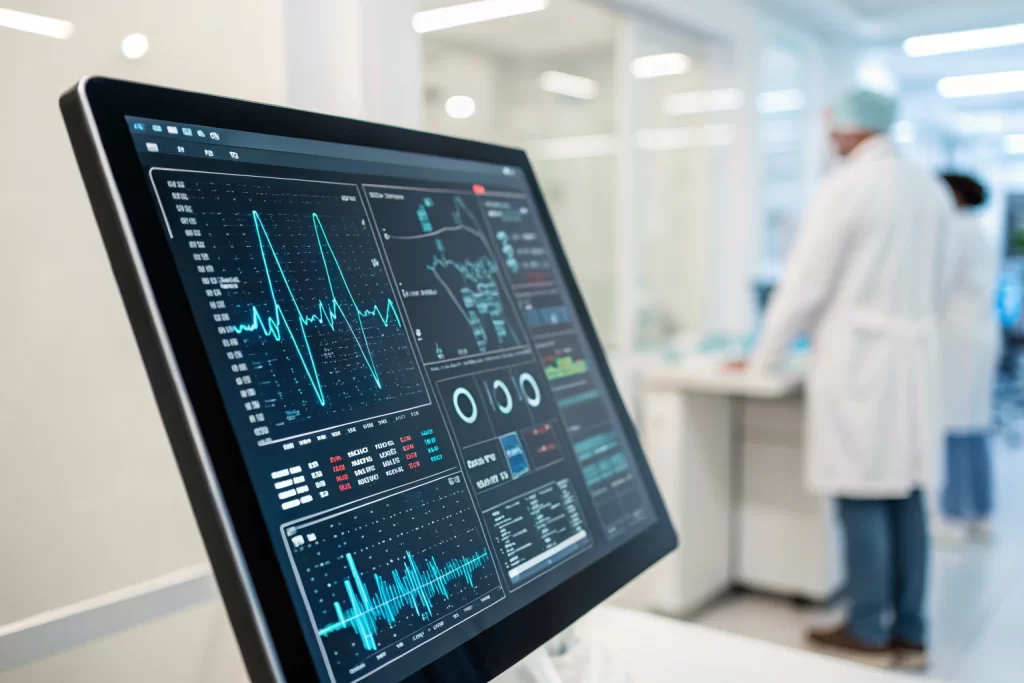
- Meta released Brain to Qwerty v2, a noninvasive system that decodes full sentences and semantic meaning in real time from raw magnetoencephalography (MEG) signals.
- Trained on thousands of volunteer sentences, it improves with more data and shows strong accuracy.
- Meta is open‑sourcing the training code to accelerate neuroscience research — which could speed development but also raises fresh ethical questions.
-
Anthropic launches Claude Sonnet Five
- Claude Sonnet Five is announced as Anthropic’s strongest Sonnet model yet.
- Improvements: reasoning, tool use, coding, and knowledge work — narrowing the gap with Opus 4.8 at a lower price.
- It’s now the default on Free and Pro plans across all Claude surfaces, so users see the upgrade immediately.
-
Etched exits stealth with custom inference hardware
- Startup Etched unveiled production racks of custom AI inference hardware after a successful chip tapeout.
- Company says it has >$1 billion in signed contracts and $800 million raised.
- Design focus: low‑voltage inference and cluster‑scale memory to improve throughput on large models; first racks ship this summer.
Stay informed
- That’s it for today — concise, current, and a little cheeky. Keep listening and reading to follow how AI is changing software, hardware, and regulation.
From Aurora and Isabelle, thanks for joining AI Tech News Today.