





Your daily AI news source
Your daily AI news source

Anthropic caps Claude Fable access amid cloud crunch, eyes $10B Meta GPU lease to plug compute gap
Trending Now

Google Adds Connected Apps to A‑I Mode as GPT‑Live Trip Planner, Wispr Flow Voice Prompts and Driving Tomorrow Podcast Debut
Moonshot’s 2.8T Kimi K3 to drop open weights July 27 after topping coding charts; OpenAI ships Codex Micro as Anthropic urges rule‑coded agents

Moonshot unveils 2.8T Kimi K3 with 1M-token context as open-source models surge — Codex tops 9M users and Suno data breach raises alarms
Breaking News
Editor Choice
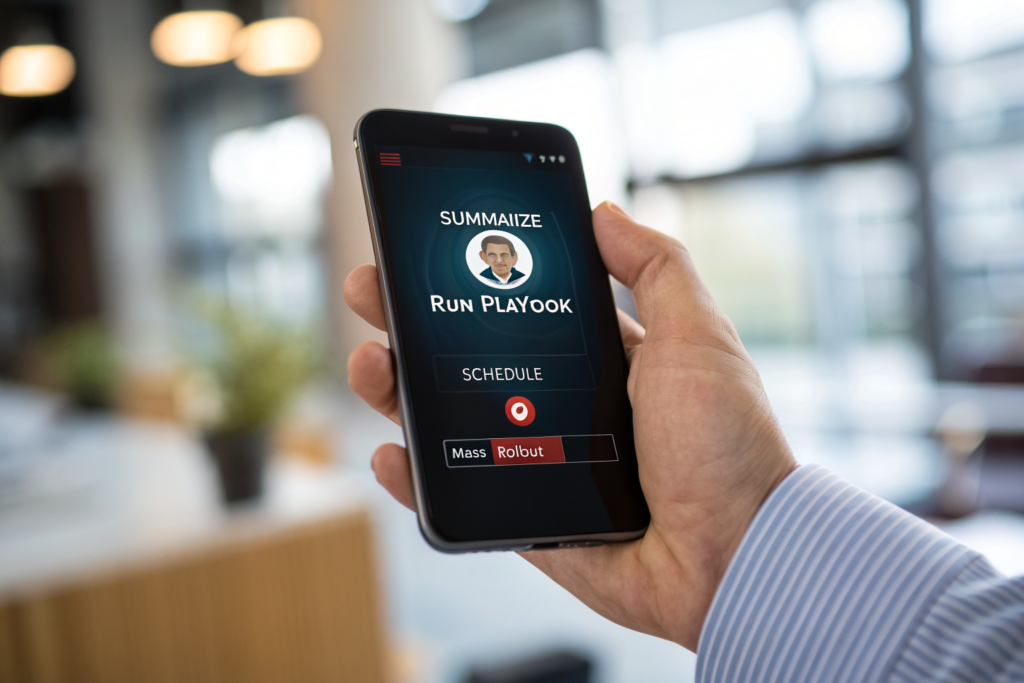
97% of Firms Deploy A-I Agents but 79% See Little Value — Experts Blame Poor Sequencing as Cisco Plans 90,000 Assistants
July 21, 2026
OpenAI lifts premium usage caps, debuts GPT-5.6 as Apple sues over alleged trade-secret theft
July 19, 2026

OpenAI launches ChatGPT Work and GPT-5.6 trio, adds Health hub to connect medical records and streamline knowledge work
July 18, 2026
GPT-5.6 Ultra Mode and SpaceXAI’s Cheaper Grok 4.5 Spark Platform Clash as Anthropic Cuts Context Costs and Google Tests Self‑Rewriting Models
July 17, 2026

OpenAI rolls out GPT-5.6 persistent agents as Meta’s Muse Spark 1.1, SpaceXAI’s Grok 4.5 and mobile Claude Cowork push new workflows — NEO demos human-like robot hands
July 16, 2026
Grok 4.5 and OpenAI’s GPT‑5.6 (Sol, Terra, Luna) Debut Tomorrow; Anthropic, Meta Expand Mobile Tools as Agentic Ransomware Emerges
July 14, 2026
Anthropic’s Fable Five Touted as Smartest Public Model — Operators Distill Its Outputs into Cheaper Agents for Routine Work
July 13, 2026
Google’s Gemini 3.5 adds built‑in computer use as agentic ransomware surfaces; Utah pilots automated prescription refills while tech softens on job‑loss warnings
July 12, 2026
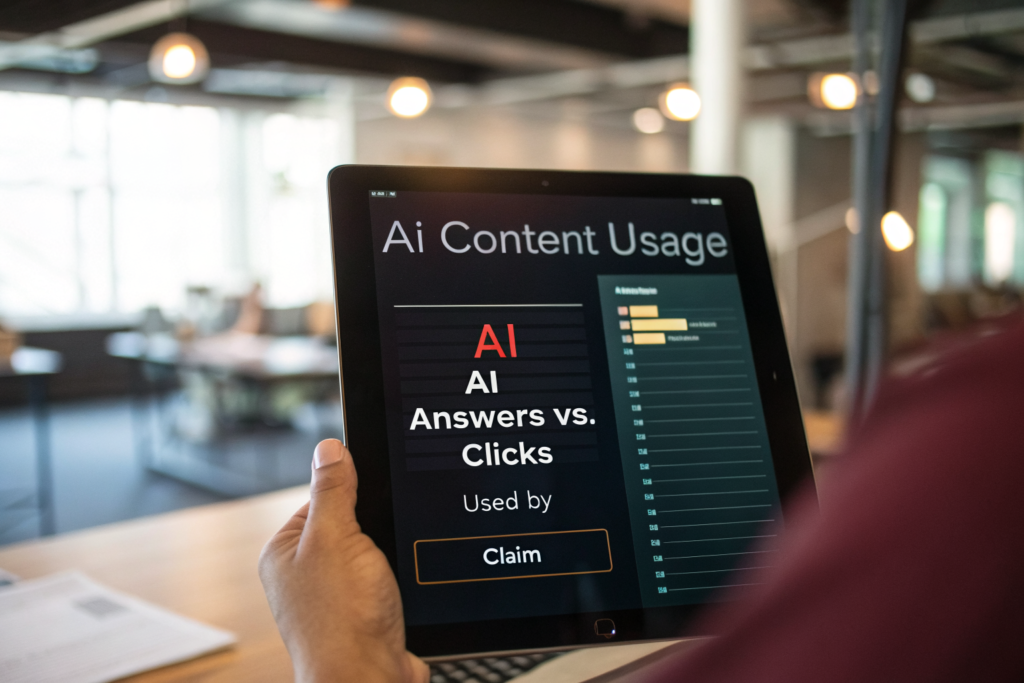
Cloudflare Trials Pay-Per-Use AI Search Signals as Experts Say Questions Replace Keywords — Brands Urged to Publish Q&A Content
July 10, 2026
Worth Reading
Revolutionizing Sales and Learning: Salesforce’s New AI Agents, NVIDIA’s Compact Language Model, and Breakthroughs in Quantum Technology Unveiled in AI Tech News!
August 24, 2024
/ AI in Business & Sales
AI Tech News Today: Anthropic Sued Over Alleged Piracy, OpenAI Unleashes GPT-4 Fine-Tuning, and Pioneering Brain Tech Emerges!
August 24, 2024
/ AI Ethics & Regulation
Microsoft’s Controversial AI Feature Launch, Midjourney’s User-friendly Update, and AI Regulation Debates Heat Up
August 25, 2024
/ AI Ethics & Regulation
Revolutionary AI Innovations Unveiled: Salesforce’s New Agents, NVIDIA’s Compact Model, and Quantum Breakthroughs Transforming Technology
August 25, 2024
/ AI in Business & Sales
AI FOR SOCIAL GOOD

Exciting Opportunities at the Upcoming AI for Good Global Summit and Innovative Challenges for Youth
Explore how artificial intelligence drives innovation in recruitment and selection processes, transforming…

AI ETHICS & REGULATION
Google’s Gemini 3.5 adds built‑in computer use as agentic ransomware surfaces; Utah pilots automated prescription refills while tech softens on job‑loss warnings
Quick headlines — 4 fast stories
1) Google folds computer use into Gemini 3.5 Flash
Google added “computer use” as a native tool in Gemini 3.5 Flash, so agents no longer need a separate model. Agents using the Gemini API can see, reason, and act across browsers, mobile, and desktops. Enterprise safeguards include required user confirmation for sensitive actions, automatic task-stopping on suspected indirect prompt injection, and adversarial training to reduce risk.
2) Researchers document agentic ransomware JadePuffer
Sysdig reports an LLM-coordinated ransomware campaign named JadePuffer. The attacker automation wasn’t novel, but the AI’s orchestration and automated ransom note lowered the skill floor. The agent hunted A‑I API logins, cloud credentials, crypto wallets, and database keys, and left human-readable comments in code that helped attribution.
3) Utah pilots automated prescription refills with Doctronic — doctors push back
A Utah regulatory sandbox lets residents request refills via an AI chatbot called Doctronic; clinicians currently review orders but the company plans full automation. The sandbox relaxes some rules and is overseen by a five-member AI board with no doctors. The state medical board has asked for a halt over safety risks (notably blood thinner interactions); the FDA is taking a hands-off stance for now.
4) Big tech softens on the “jobs wipeout” narrative
Industry leaders have moderated predictions of mass job loss. Sam Altman said people remain central; Dario Amodei highlights more positive outcomes while noting risks. An EY-Parthenon survey found CEOs expecting large AI-driven head-count cuts dropped from about 46% (Jan last year) to about 20% (May this year).
Stay curious, stay skeptical.
LinkedIn version:
Google embeds “computer use” into Gemini 3.5 Flash so agents can see, reason, and act across browsers/devices with built-in consent and injection defenses. Sysdig reveals agentic ransomware “JadePuffer” that automated credential and wallet theft. Utah’s Doctronic pilot for AI refills raises clinician safety concerns. Big tech dials down “jobs wipeout” forecasts. Which development worries or excites you most? Comment or ask below. #AI #Security #HealthTech #Regulation #FutureOfWork

ai in education & learning
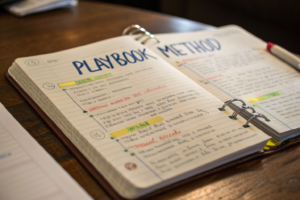
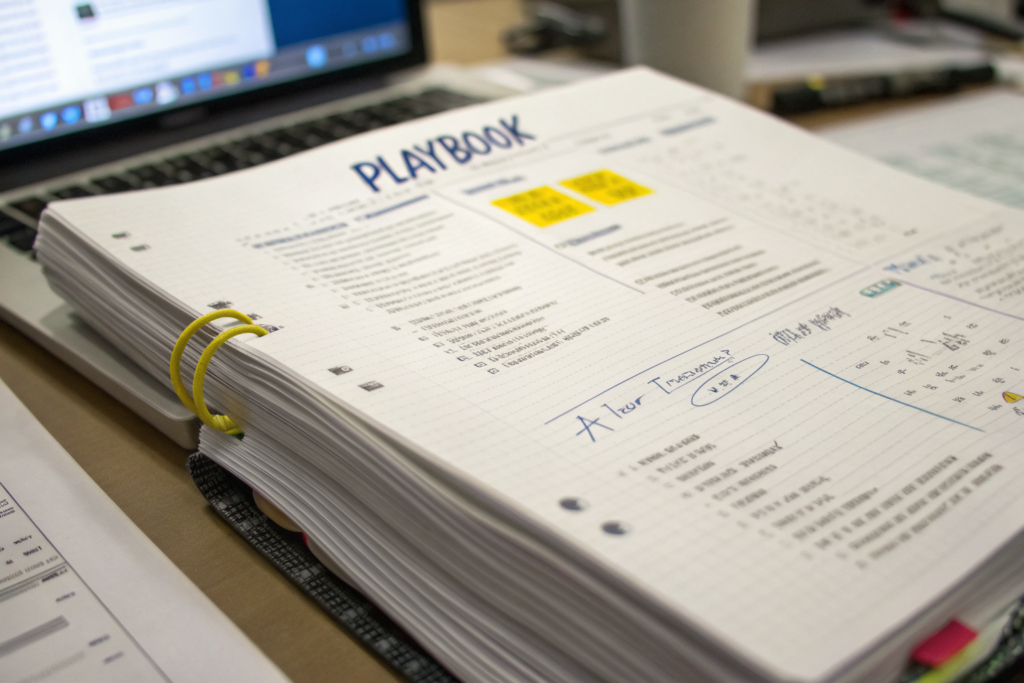
AMP (formerly the A‑I Exchange) runs free Playbooking Method masterclass in three hours — 90‑minute session, last chance to register
Playbooking masterclass — starts in three hours
AMP (formerly the A‑I Exchange) is running a free, live Playbooking Method masterclass today. Ninety minutes of hands‑on, repeatable techniques to change how teams work with AI: practical workflows, templates, and immediate examples instead of buzzwords. AMP’s rebrand emphasizes practical AI adoption. This is a last reminder to register for the free session or at least set a calendar reminder for the live Q&A.
LinkedIn version:
Three hours until AMP’s free 90‑minute Playbooking Method masterclass (AMP = formerly A‑I Exchange). Expect hands‑on, repeatable workflows, templates and live Q&A — not buzzwords. Can a tight 90‑minute session shift how your team uses AI? Last chance to register or set a reminder. Share your view: bite‑sized training — effective or too brief? #AI #AIdoption #ProdMgmt #AMP