






Your daily AI news source
Your daily AI news source
OpenAI moves to multi‑cloud as Microsoft ends exclusivity — Musk v. Altman court battle, China blocks Meta‑Manus deal, Taylor Swift files voice trademarks
Share your love
AI Tech News Today — Aurora & Isabelle
Update timestamp: 2026-04-29T16:06:04.000Z
Today’s overview: Four big A‑I stories that matter to builders, businesses, and anyone tracking tech geopolitics.
1) OpenAI and Microsoft end exclusivity
What happened: Microsoft — which first invested in OpenAI in 2019 and has invested over $13 billion since — agreed to let OpenAI sell models on other clouds. OpenAI can now run on Amazon Web Services, Google Cloud, and elsewhere.
Key terms
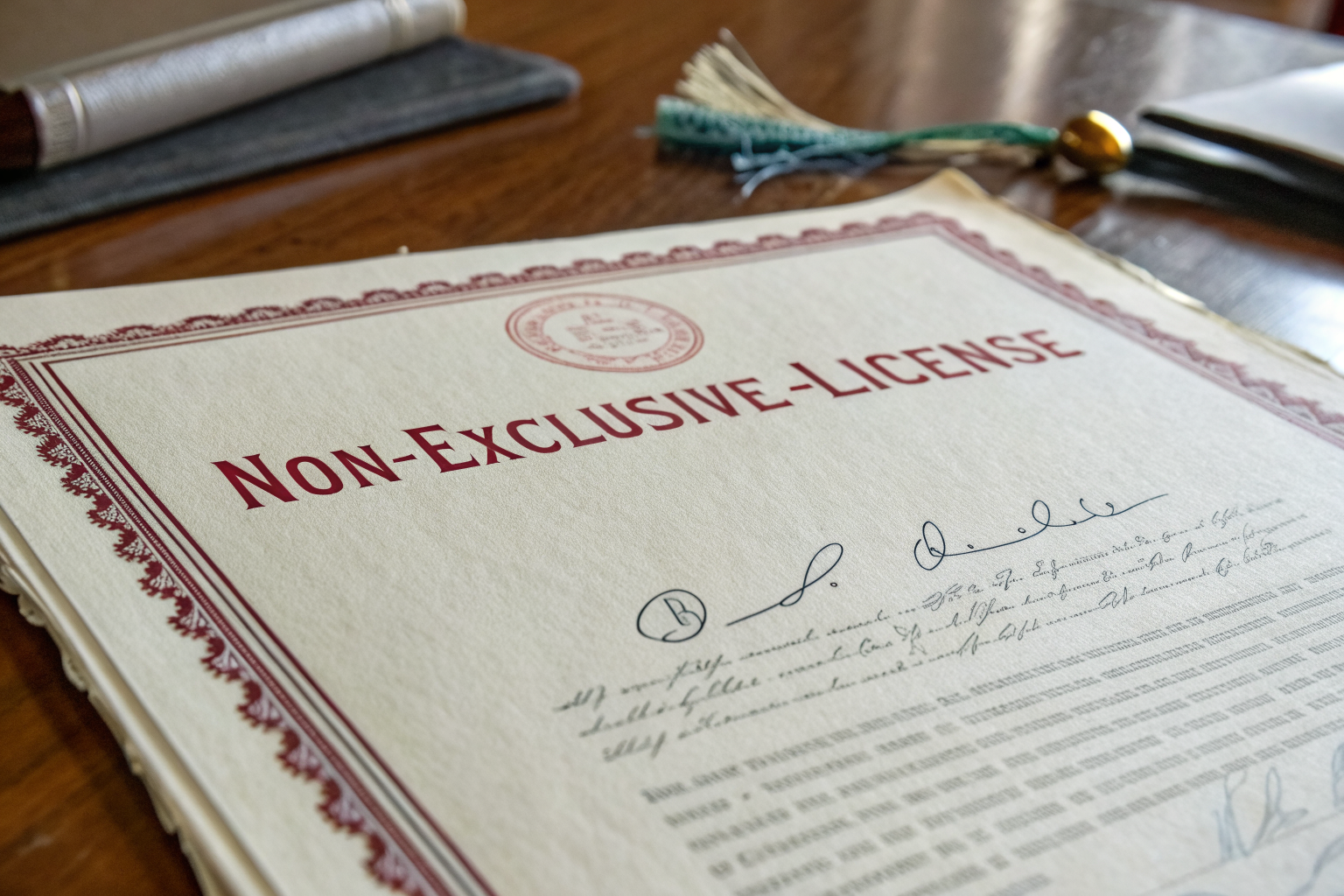
- Microsoft keeps a license through 2032, but it is non‑exclusive.
- Microsoft will stop paying a revenue share to OpenAI.
- OpenAI will still route some revenue back to Microsoft through 2030, subject to a cap.
Why it matters: This follows OpenAI’s large cloud deal with Amazon and signals a shift away from walled gardens toward a more open A‑I infrastructure.
2) Musk vs. Altman — court battle over OpenAI’s future
What happened: Opening arguments began in Elon Musk’s long‑running suit against Sam Altman and Greg Brockman. Musk dropped fraud claims and narrowed the suit to unjust enrichment and breach of charitable trust.
Stakes
- Musk is seeking up to $134 billion in damages.
- He wants a court order to restore OpenAI’s nonprofit status and hopes to remove Altman and Brockman from leadership.
- OpenAI calls the case baseless.
Why it matters: The trial could reshape governance at one of the most influential A‑I companies.
3) China blocks Meta’s acquisition of Manus
What happened: China’s National Development and Reform Commission vetoed Meta’s planned purchase of Manus, a Beijing‑founded startup focused on agentic A‑I. The deal was valued at $2–3 billion.
Consequences
- More than 100 employees are left in limbo; some have already relocated to Singapore.
- Reports indicate Manus’s CEO and chief scientist face exit restrictions in China.
Why it matters: This highlights how A‑I talent and technology are now treated as strategic national issues.
4) Taylor Swift files trademarks for her voice and likeness
What happened: Taylor Swift’s team filed applications with the U.S. Patent and Trademark Office to protect her voice and likeness in commercial uses, including A‑I.
Why it matters: As generative voice models improve, trademark law may become a key tool for celebrities seeking control over synthetic replicas of their voices and images.
Thank you for listening.
Stay curious, stay skeptical — we’ll keep tracking how A‑I is reshaping tech, law, and geopolitics.